CFD Trading – Simple Guide for Beginners
If you plan to trade global financial markets, whether US stocks, forex, indices, or commodities, you will inevitably encounter the term CFD (Contract for Difference).
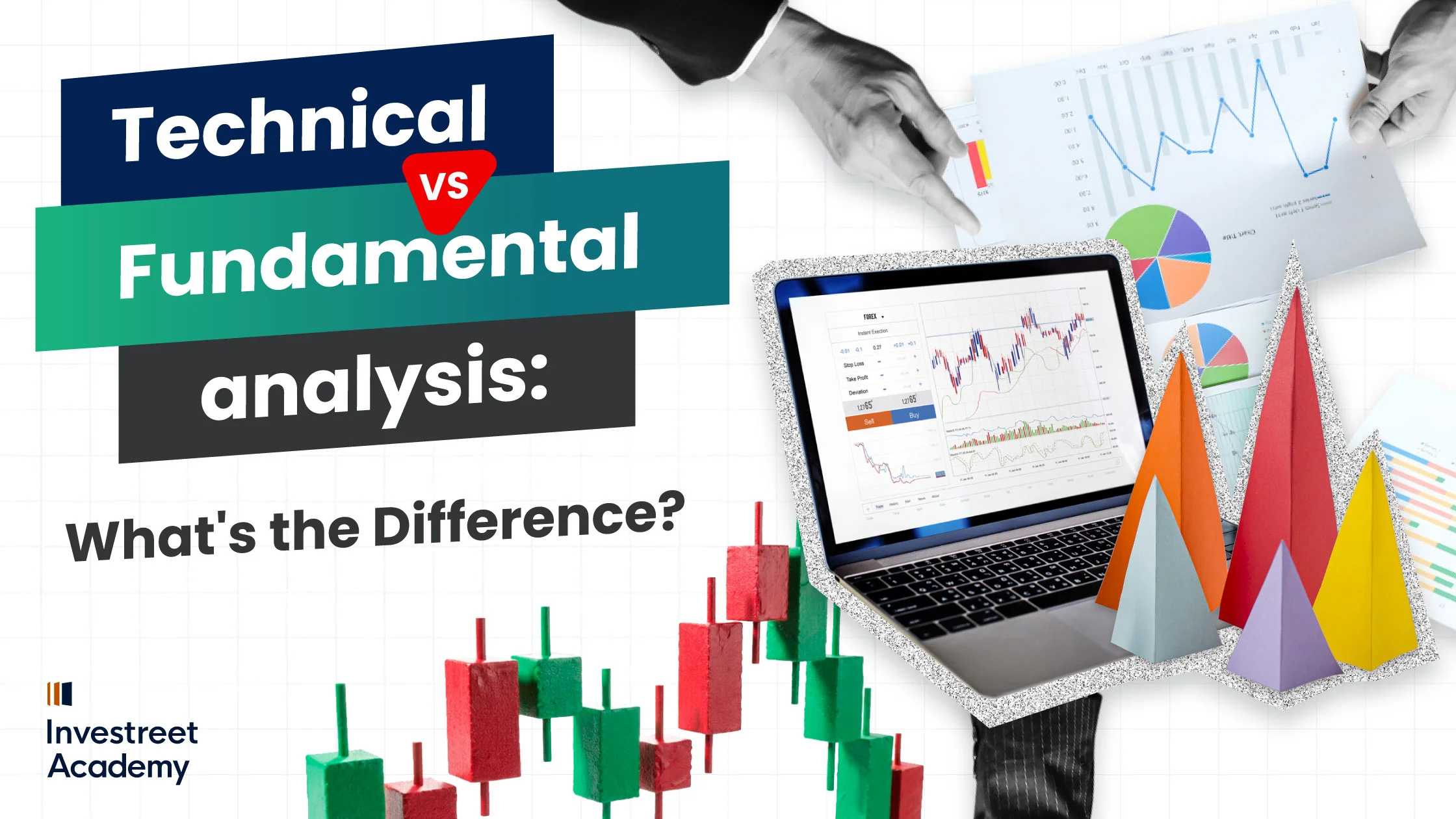
Fundamental analysis is a key trading strategy that evaluates financial assets by analysing economic, financial, and qualitative factors influencing their price. It involves studying company earnings reports, macroeconomic indicators, interest rates, inflation data, geopolitical events, and market news to determine an asset’s intrinsic value and future potential.
Understanding fundamental analysis is essential for traders aiming to make informed, data-driven decisions in fast-moving markets. Whether you’re a beginner or an experienced trader, mastering it helps you develop a robust trading strategy that adapts to economic cycles and market volatility. By analysing economic reports, corporate financial health, and global events, traders can:
Identify long-term market trends and investment opportunities
Forecast price movements based on real-world economic conditions
Evaluate stock, forex, or commodity value beyond technical charts
Reduce risk by combining fundamental insights with technical analysis

If you plan to trade global financial markets, whether US stocks, forex, indices, or commodities, you will inevitably encounter the term CFD (Contract for Difference).

If you plan to trade global financial markets, whether US stocks, forex, indices, or commodities, you will inevitably encounter the term CFD (Contract for Difference).