What are
Forex & CFDs?
What are Forex
& CFDs?
Are you interested in Forex and CFDs but unsure how they work? In this 4-minute video from Investreet Academy, you'll learn the core concepts of Forex and CFD trading, along with key risk management points to consider before you start.
Don’t worry — we’ll keep it simple, practical, and easy to follow.
Imagine you exchange your local currency for Euros before a trip. At that time, the exchange rate is 1 Euro = 1.10 US Dollars. A few days later, you need more Euros, but the rate has shifted to 1 Euro = 1.15 US Dollars (the Euro appreciated by 4.5%). You now have to pay 4.5% more for the exact same amount of currency.
This constant fluctuation happens 24/7 in the global currency market. Instead of physical traveling, global traders participate in this market to take advantage of these currency price movements.
Forex stands for Foreign Exchange. It is a vast, decentralized marketplace where individuals, businesses, and financial institutions buy and sell different currencies 24 hours a day, 5 days a week.
Market Scale: According to the BIS (Bank for International Settlements) report, the Forex market's daily turnover has surpassed $9.6 trillion, making it the most liquid financial market in the world.
In Forex trading, you never trade one currency alone — you always trade currency pairs (e.g., GBP/JPY, USD/JPY, EUR/USD).
When trading the EUR/USD pair:
Base Currency (The First Currency - EUR): The currency you are buying or selling.
Quote / Counter Currency (The Second Currency - USD): The currency used to measure the value of the base currency.
If the EUR/USD rate is 1.1000, it means 1 Euro = 1.10 US Dollars.
If you believe the Euro will strengthen against the Dollar = Buy (Long)
If you believe the Euro will weaken against the Dollar = Sell (Short)
One of the biggest benefits of Forex is its two-way trading flexibility: you can potentially profit whether the market goes up or down.
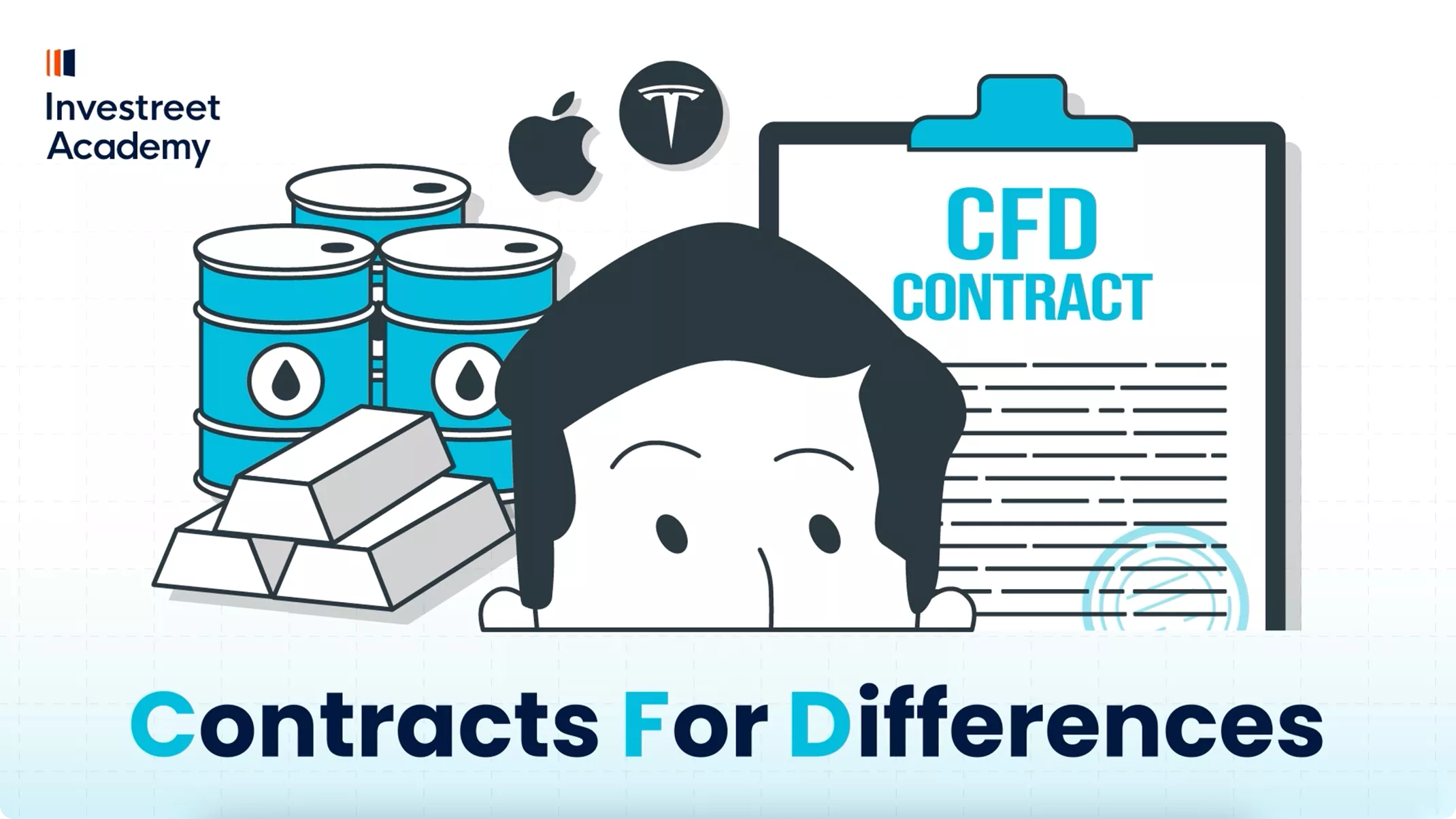
A CFD (Contract For Difference) is a popular financial derivative that allows you to trade and speculate on the price movements of an asset without actually owning it. While CFDs apply to stocks, indices, commodities, and cryptocurrencies, they are heavily used in Forex.
When trading Forex through CFDs, you enter an agreement with your CFD provider or broker to exchange the price difference of a currency pair between the time you open the trade and when you close it.
| Feature | CFD Forex Trading | Physical Asset Ownership |
|---|---|---|
| Asset Ownership | No physical delivery; cash-settled contract. | Direct ownership of the physical asset/currency. |
| Two-Way Trading | Go Long (Profit from rise) or Short (Profit from fall). | Usually limited to buying low and selling high. |
| Automation Tools | Easily set Stop Loss (SL) and Take Profit (TP). | Varies; often requires more manual monitoring. |
Risk Management Tip:
CFDs allow you to set Stop Loss (SL) to limit potential losses and Take Profit (TP) to secure gains automatically. You don't need to stare at charts all day—though remember, the market doesn't always cooperate!
Trading Leverage: With a leverage ratio like 1:10, a capital of $1,000 can control a $10,000 market position. While leverage magnifies potential profits, it equally amplifies your risks. (Think of it like coffee — a little keeps you sharp, but too much can be dangerous).
Go Long or Short: Seamlessly pivot your strategy to profit in both rising and falling market conditions.
No Physical Ownership Needed: Everything is managed 100% digitally through your online broker platform. No physical currency exchange or storage is required.
High Market Liquidity: Enter and exit trades instantly, catching global market movements in real-time.
Forex is the marketplace for trading currency pairs, and CFDs are the flexible tools that let you trade those price movements without owning the underlying currency. Together, they form an accessible and highly liquid market—but with big opportunities come significant risks.
What the $9.6 trillion daily market means for retail traders.
Master the relationship between Base and Quote currencies.
How to profit whether the financial markets go up or down.
Trade price movements of Forex, stocks, or commodities without owning them.
How to set automatic Stop Loss & Take Profit to safeguard your money.
How to use trading leverage wisely to control larger positions.